Danh mục
What Makes a Complete Mattress Factory Equipment Solution? |NAIGU
Discover what a complete mattress factory equipment solution includes, from mattress assembly and tape edging to compression, roll packing, factory layout, and production planning.
Nov 24th,2026
6 Lượt xem
What Makes a Complete Mattress Factory Equipment Solution?
Establishing or upgrading a mattress factory requires more than purchasing individual machines. Manufacturers need to consider the entire production process, from raw material preparation and mattress assembly to edge finishing, quality inspection, and final packing.
A complete mattress factory equipment solution should connect different manufacturing stages, improve workflow coordination, and support consistent product quality. Choosing the right equipment configuration also helps factories manage production capacity, labor requirements, and future expansion.
So, what should a complete mattress factory equipment solution include? This guide explores the key components and considerations for building an efficient mattress manufacturing operation.
1. Equipment for Different Mattress Manufacturing Processes
A mattress factory typically involves several interconnected production stages. Each stage requires suitable equipment to ensure smooth material handling and consistent processing.
Depending on the mattress products and manufacturing methods, the main equipment categories may include:
-
Quilting equipment: Used to produce quilted mattress panels and fabric layers.
-
Foam processing equipment: Supports foam cutting and preparation for different mattress structures.
-
Mattress assembly equipment: Helps combine mattress cores, foam layers, fabrics, and other components.
-
Tape edge machines: Sew the mattress borders and panels together to complete the mattress structure.
-
Mattress compression and packing machines: Prepare finished mattresses for storage, transportation, and distribution.
The equipment configuration should be based on the factory's product range and manufacturing requirements rather than a standard machine list.
2. Matching Equipment Capacity Across Production Stages
One important feature of a complete factory solution is balanced production capacity.
If one machine operates significantly faster than the next process, unfinished products may accumulate between production stages. Conversely, equipment with insufficient capacity can become a bottleneck.
Manufacturers should evaluate:
-
Expected daily and monthly production targets
-
Processing time at each manufacturing stage
-
Material transfer and handling time
-
Machine operating schedules
-
Available labor and shift arrangements
A well-planned production line should maintain a reasonable balance between individual machines and reduce unnecessary waiting time.
3. Automation and Labor Efficiency
Automation plays an important role in modern mattress manufacturing. However, not every factory requires a fully automated production line.
The appropriate automation level depends on production volume, investment budget, available labor, and product diversity.
Semi-Automatic Production Solutions
Semi-automatic equipment allows operators to participate in material handling and machine operation. It can be suitable for small and medium-sized manufacturers that need flexible production with a controlled initial investment.
Automatic Production Solutions
Automatic equipment can reduce repetitive manual operations and support more consistent processing. It is worth considering for factories with higher production volumes or plans to standardize their manufacturing processes.
When planning automation, manufacturers should consider how individual machines communicate with each other and how materials move between processes.
4. Mattress Tape Edge and Finishing Equipment
Mattress finishing is an important stage because it directly influences the appearance and construction quality of the finished product.
Tape edge machines connect mattress panels and borders through sewing operations. When selecting this equipment, manufacturers should consider:
-
Supported mattress dimensions and thicknesses
-
Sewing quality and consistency
-
Automatic or semi-automatic operation
-
Production speed and operating stability
-
Operator requirements and maintenance access
For factories producing multiple mattress models, flexible equipment configurations can help accommodate different product specifications.
5. Compression and Roll Packing Equipment
Finished mattress packing is another essential part of a complete mattress factory solution.
Compression and roll packing equipment can reduce mattress volume and improve warehouse and transportation efficiency, depending on mattress construction and material characteristics.
Common equipment configurations include:
-
Mattress compression machines: Reduce mattress thickness before further packing.
-
Mattress roll packing machines: Compress and roll compatible mattresses into compact packages.
-
Press and roll packing systems: Combine compression and rolling processes.
-
Automatic mattress packing lines: Integrate multiple operations to support higher-volume production.
Before choosing a packing solution, manufacturers should confirm mattress dimensions, thickness, material structure, compression requirements, and target package size.
Not every mattress is suitable for the same compression or rolling method. Product testing and technical evaluation are important before equipment selection.
6. Factory Layout and Material Flow Planning
A complete equipment solution should also consider factory space and material movement.
Poorly planned layouts can increase handling time, create unnecessary transfers, and reduce the efficiency of otherwise capable machines.
Important layout considerations include:
-
Raw material storage areas
-
Space required for each machine
-
Operator working areas
-
Material transfer routes
-
Finished mattress inspection and temporary storage
-
Packing and finished goods areas
A logical production layout helps connect manufacturing stages and supports safer, more organized daily operations.
7. Quality Control Throughout the Production Process
Product quality should not depend on a final inspection alone. A complete mattress manufacturing operation should establish quality checks at different production stages.
Typical inspection points include:
-
Fabric and foam material inspection
-
Mattress component positioning
-
Assembly consistency
-
Tape edge sewing quality
-
Finished mattress dimensions
-
Final appearance and packing condition
Integrating quality checks into the production workflow helps manufacturers identify problems earlier and reduce unnecessary rework.
8. Installation, Training, and Technical Support
Equipment delivery is only one part of a successful factory setup. Installation, commissioning, operator training, and after-sales support are also important.
Before selecting an equipment supplier, manufacturers should confirm whether the supplier provides:
-
Installation and commissioning guidance
-
Machine operation training
-
Technical documentation
-
Spare parts support
-
Remote troubleshooting
-
On-site technical assistance when required
Working with an experienced machinery supplier can simplify equipment coordination and help reduce potential delays during production startup.
9. Flexibility for Future Production Expansion
A mattress factory's requirements may change as product models, order volumes, and market demand develop.
A complete equipment solution should consider future expansion from the beginning.
Manufacturers may need to evaluate:
-
Whether additional machines can be integrated
-
Whether the current layout allows production expansion
-
Whether equipment supports different mattress sizes
-
Whether automation can be upgraded gradually
-
Whether downstream packing capacity can support higher output
Planning for flexibility can help factories avoid unnecessary equipment replacement when production requirements change.
How to Plan a Complete Mattress Factory Equipment Solution
Before requesting a complete equipment proposal, manufacturers should prepare several key details:
-
Product range: Mattress types, dimensions, thicknesses, and material structures.
-
Production targets: Expected daily or monthly output.
-
Existing equipment: Machines already available and processes requiring upgrades.
-
Factory information: Available floor space, layout, and power supply conditions.
-
Automation expectations: Preferred production methods and labor arrangements.
-
Packing requirements: Whether finished mattresses need compression, rolling, or other packing processes.
-
Investment budget: Initial equipment budget and future expansion plans.
These details help machinery suppliers develop an equipment configuration that matches the factory's actual production needs.
NAIGU Mattress Machinery focuses on mattress manufacturing and packing equipment solutions for mattress factories worldwide.
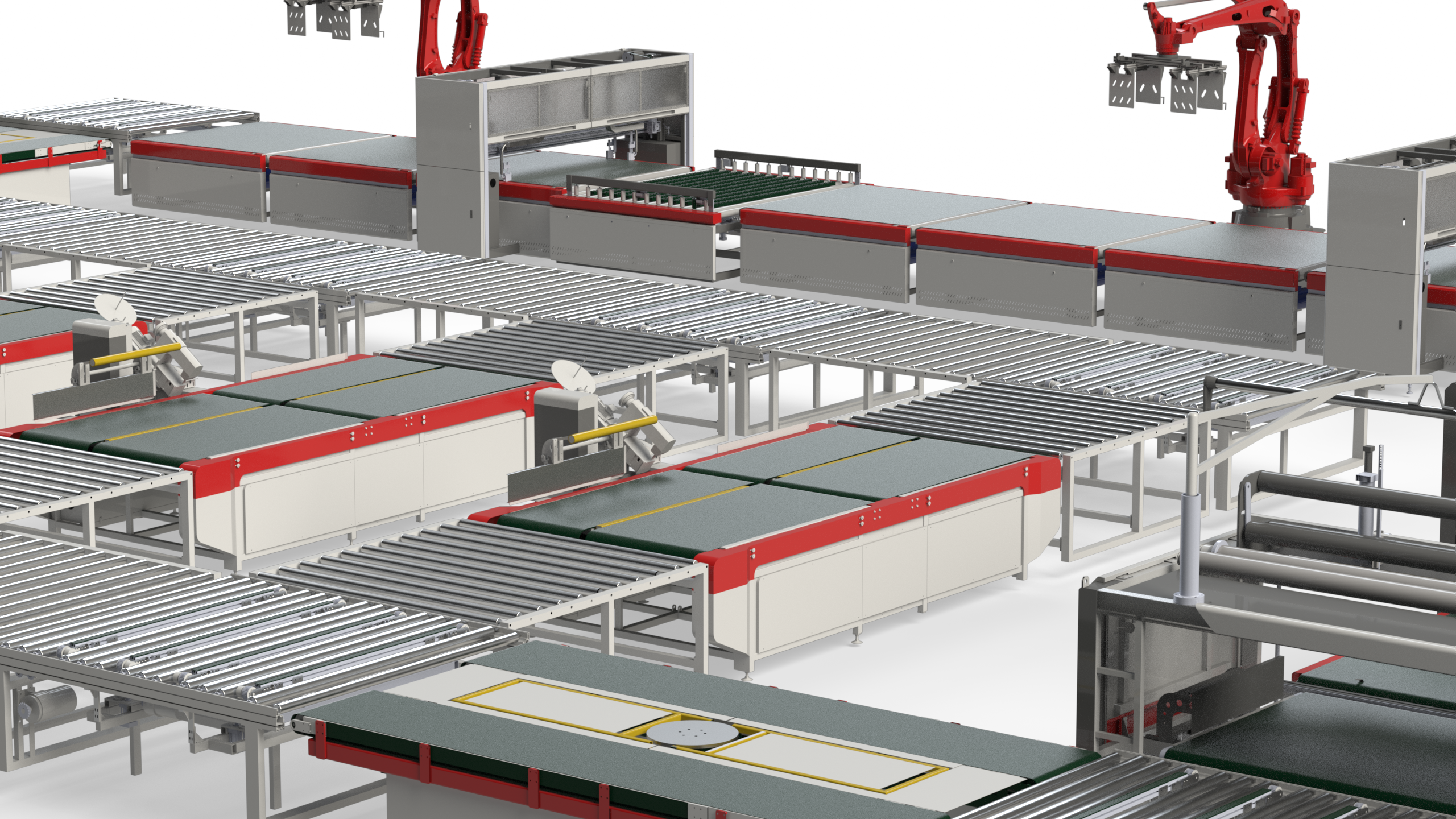
Our equipment range covers different stages of mattress production, including mattress tape edging, compression, rolling, and finished mattress packing. With different machine configurations available, manufacturers can select individual machines or plan a more integrated production and packing solution according to their requirements.
Whether you are establishing a new mattress factory, expanding production capacity, or upgrading existing equipment, NAIGU can help evaluate your production workflow and recommend suitable machinery configurations.
Contact NAIGU Mattress Machinery to discuss your mattress specifications, production targets, factory layout, and packing requirements.