
For mattress, sofa, and foam product manufacturers supplying global markets, product deformation and damage during long-distance shipping can lead to high return rates, customer complaints, and brand reputation loss.
This is why more factories are turning to automatic packing machines to ensure stable, protective, and consistent packing for international transport.
Products often suffer damage due to:
Excessive compression or uneven pressure
Manual packing inconsistencies
Poor sealing or loose packaging
Container vibration and stacking pressure
Long transit times and climate changes
Traditional manual packing methods cannot effectively control these risks.
Automatic packing machines apply precisely controlled pressure, ensuring:
Uniform compression across the entire product
No localized stress points
Reduced risk of internal structure damage
This is especially important for foam and hybrid products.
With automatic systems, every product is packed to the same size and shape, which:
Prevents shifting inside cartons or containers
Improves stacking stability
Reduces damage caused by movement during transit
Consistency is critical for long-distance shipping.
Automatic packing machines use:
High-strength plastic film
Reliable heat sealing systems
Stable vacuum or compression sealing
This protects products from moisture, dust, and external impact throughout the shipping process.
Manual packing is highly dependent on operator experience. Automatic packing systems:
Minimize human handling
Eliminate inconsistent packing methods
Improve overall quality control
Fewer handling steps mean lower risk of accidental damage.
Automatic compression and rolling reduce product volume, allowing:
Tighter container packing
Less internal movement during transport
Lower risk of deformation from improper stacking
This is essential for ocean freight and long-haul logistics.
Automatic packing machines are widely used for:
Mattresses
Sofas and cushions
Foam products
Pillows and bedding items
Proper configuration ensures excellent rebound performance after unpacking.
Factories shipping products internationally rely on automatic packing machines to:
Reduce after-sales complaints
Protect brand reputation
Ensure consistent product quality
Support large-volume export orders
Packing quality is no longer optional—it is a key part of product value.
Manufacturers should consider:
Product size and material
Compression or vacuum requirements
Packing speed and capacity
Film compatibility
Supplier technical support
A reliable machine ensures long-term stability and lower total cost of ownership.
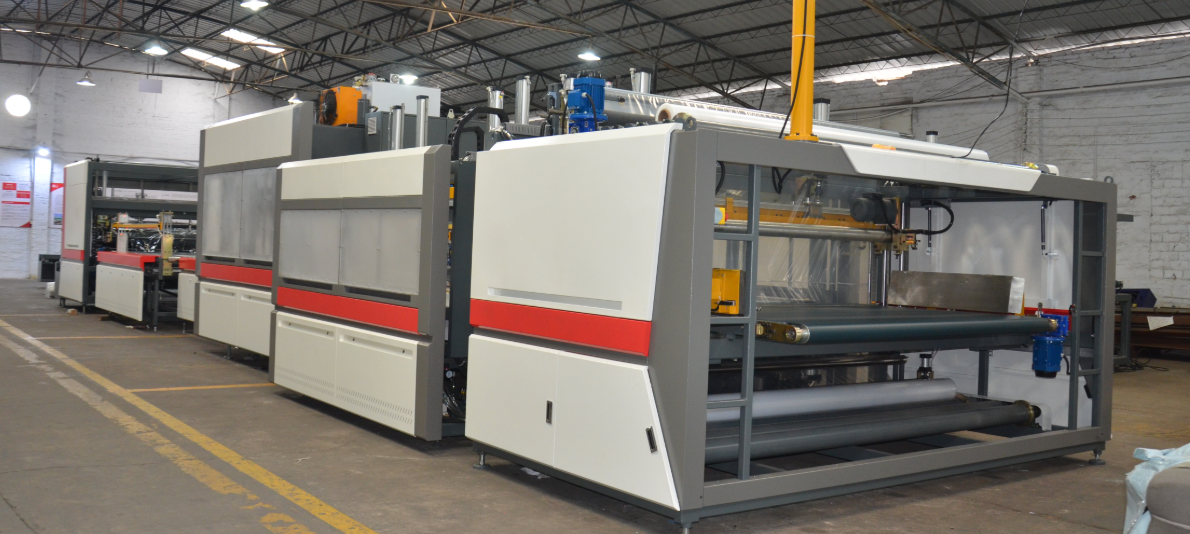
Looking to improve shipping safety for your products?
Contact NAIGU to learn more about our automatic packing, compression, and rolling solutions designed for long-distance international transport.

