
As global mattress manufacturers face rising logistics costs and increasing pressure to improve packing efficiency, foam compression machines for mattress core packing have become an essential part of modern production lines.
By reducing volume, protecting foam structure, and standardizing packing processes, these machines help factories ship more products at lower cost—without compromising quality.
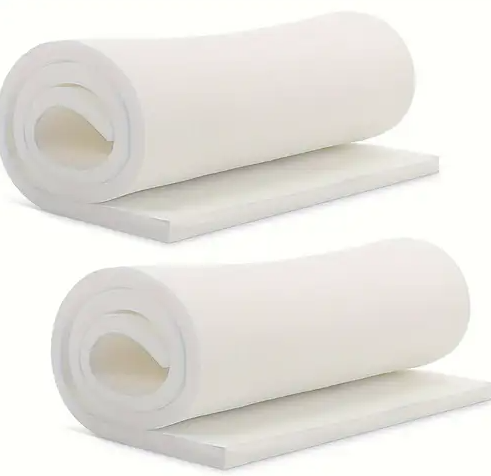
A foam compression machine is designed to compress polyurethane foam or mattress cores into a reduced height, then seal them using PE film or vacuum packing materials.
The compressed foam can be packed flat or rolled, depending on factory requirements and shipping methods.
Typical applications include:
PU foam mattress cores
Memory foam mattress cores
Latex or hybrid mattress cores (within compression limits)
Compressed mattress cores take significantly less space, allowing:
More products per container
Lower freight cost per unit
Improved warehouse utilization
This is especially important for export-oriented factories shipping to Europe, South America, South Asia, and Africa.
Professional foam compression machines apply controlled pressure, ensuring:
Even compression
No permanent deformation
Fast rebound after unpacking
Compared to manual packing, machine compression provides consistent quality and fewer customer complaints.
Automated or semi-automatic foam compression packing:
Reduces manual labor
Shortens packing time per mattress core
Minimizes human error during sealing and wrapping
For growing factories, this is a key step toward standardized production management.
Best for:
Small to medium factories
Flexible production
Lower initial investment
Features:
Manual loading
Automatic compression and sealing
Stable performance with simple operation
Best for:
Large-scale manufacturers
High daily output
Integrated mattress production lines
Features:
Automatic feeding
Continuous compression
Optional rolling and packing modules
Compatible with conveyor systems
When choosing a foam compression machine for mattress core packing, manufacturers should evaluate:
Maximum compression height and width
Foam density compatibility
Packing film thickness and type
Rebound performance after unpacking
Customization options for different mattress sizes
A machine that does not match foam height or density requirements may result in inefficient packing or irreversible foam damage.
Modern foam compression machines can be integrated with:
Mattress core assembling lines
Automatic mattress bagging machines
Rolling and vacuum packing systems
An integrated solution helps reduce handling time and ensures smooth workflow from production to shipping.
NAIGU provides foam compression packing solutions that focus on:
Stable compression force control
Reliable sealing performance
Flexible configurations for different markets
Export-ready standards for global shipping
With installations in over 90 countries, NAIGU machines are designed for long-term industrial use and scalable production growth.
Choosing the right compression solution ensures:
Lower freight cost
Better product protection
Higher production efficiency
Looking for a foam compression machine for mattress core packing that fits your production requirements?
Our team can help you select the right model based on foam height, density, output capacity, and packing method.

