Danh mục
Factors That Influence Film Wrapping Quality in Mattress Production
Discover the key factors affecting film wrapping quality in mattress production, including PE film properties, thickness, machine performance, sealing, and inspection.
Nov 2nd,2026
9 Lượt xem
Film wrapping quality plays an important role in mattress manufacturing, storage, and transportation. A well-wrapped mattress is better protected against dust, moisture, scratches, and other external factors during handling and delivery. However, wrapping results depend on more than just the quality of the plastic film. Film specifications, mattress characteristics, machine performance, and operating conditions all affect the final result.
For mattress manufacturers, understanding these factors helps improve packing consistency, reduce material waste, and maintain product presentation.
1. Film Material and Quality
The selection of film material is one of the most important factors affecting wrapping performance. PE film is widely used in mattress packing because of its flexibility, durability, and suitability for different packing applications.
When selecting mattress packing film, manufacturers should consider:
-
Tensile strength: Helps the film withstand pulling forces during wrapping.
-
Puncture resistance: Reduces the risk of damage from sharp edges or corners.
-
Flexibility: Allows the film to adapt to different mattress shapes and sizes.
-
Transparency: Supports product identification and visual inspection.
-
Sealing performance: Helps create secure and consistent package closures.
Consistent film quality is essential for stable performance, especially in automated packing operations.
2. Film Thickness and Width
Film thickness directly affects its strength, flexibility, and material consumption. Film that is too thin may not provide sufficient protection for certain mattress types, while unnecessarily thick film can increase material costs.
Film width also needs to match the mattress dimensions and packing method. Incorrect width may result in incomplete coverage, excessive overlap, or inefficient material usage.
Before purchasing mattress packing film, manufacturers should confirm:
-
Mattress length, width, and thickness
-
-
Film roll width and roll length
-
Packing method and machine compatibility
-
Transportation and storage requirements
Choosing suitable specifications helps achieve a balance between protection, cost, and packing efficiency.
3. Mattress Size and Construction
Different mattress designs create different wrapping requirements. Mattress dimensions, thickness, surface materials, and edge structures can all influence how film fits around the product.
For example, thick mattresses may require wider film coverage, while mattresses with textured surfaces or prominent edges may need film with suitable flexibility and puncture resistance.
Compressed mattresses also require special consideration. The film must be compatible with the compression and packing process to maintain package integrity after the mattress is compressed and rolled.
Manufacturers should evaluate film suitability based on their actual mattress products rather than relying on one specification for every application.
4. Mattress Packing Machine Performance
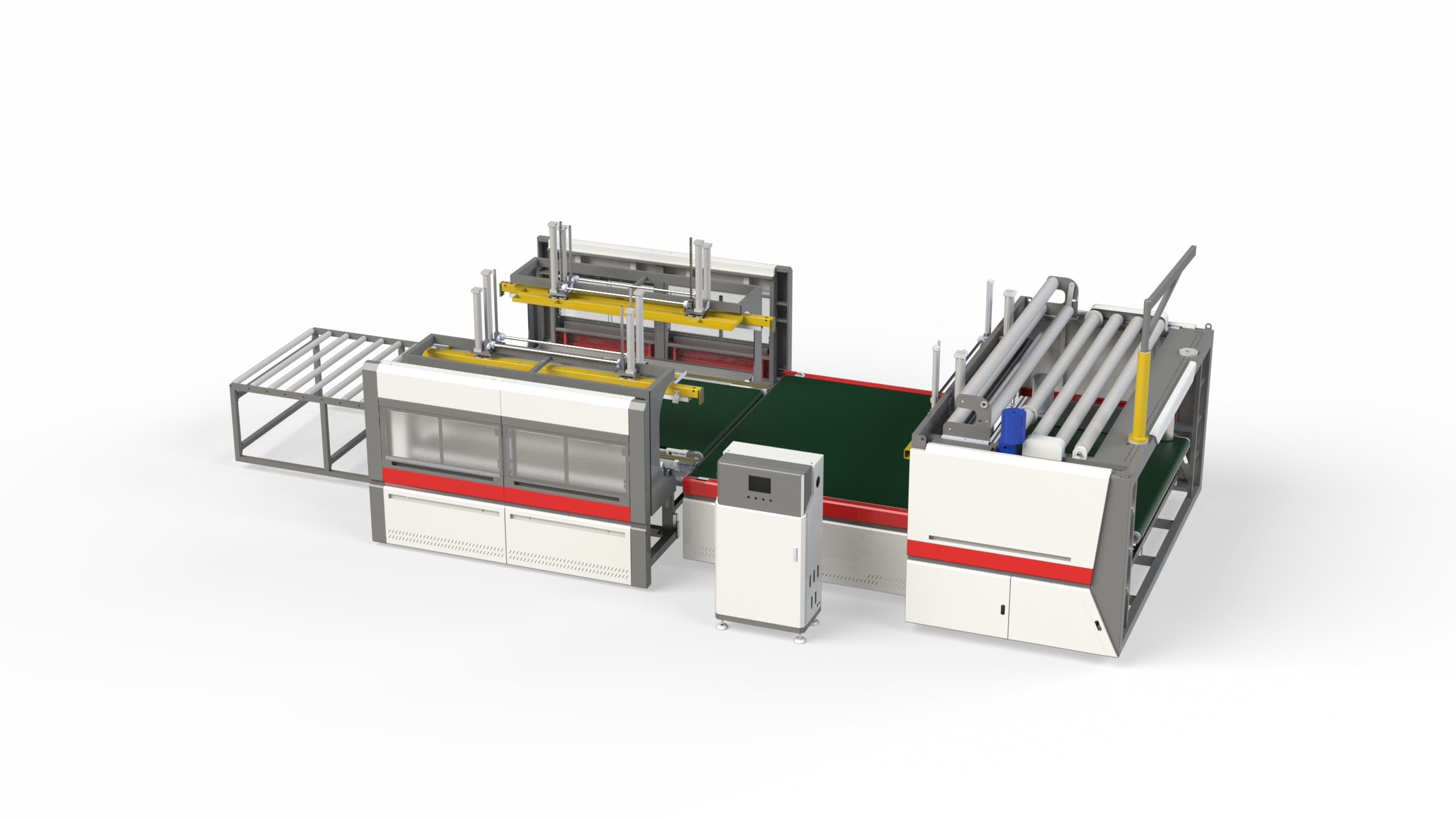
Even high-quality film cannot guarantee good wrapping results if the packing machine is not properly configured.
Important machine-related factors include:
-
Film feeding: Stable feeding helps prevent wrinkles and uneven film distribution.
-
Tension control: Appropriate tension supports consistent wrapping without excessive stretching.
-
Sealing performance: Proper sealing conditions help prevent package openings.
-
Cutting accuracy: Clean and consistent cutting improves package appearance.
-
Machine adjustment: Settings should match the film specifications and mattress dimensions.
For high-volume mattress factories, selecting suitable automatic mattress packing equipment can improve wrapping consistency and reduce manual handling.
5. Operating Temperature and Sealing Conditions
For heat-sealing packing processes, temperature, sealing time, and pressure influence the quality of the finished package.
Insufficient heat may result in weak seals, while excessive heat can damage the film. The appropriate settings depend on film material, thickness, machine design, and production speed.
Manufacturers should follow the film supplier's recommendations and conduct practical sealing tests before mass production.
Regular inspection of sealing components also helps maintain stable packing quality.
6. Production Speed and Operator Skills
Production speed affects how consistently film is fed, wrapped, sealed, and cut. When machine speed is too high for the material or equipment settings, wrapping defects may become more frequent.
Common issues include:
-
-
Wrinkles and loose wrapping
-
-
Film tearing during operation
-
Irregular package appearance
Operators should understand the machine's operating procedures and know how to adjust basic settings according to different mattress sizes and film specifications.
A standardized operating process helps reduce differences between production shifts.
7. Film Storage and Handling
Film quality can also be affected by storage conditions before it reaches the packing machine.
To maintain stable film performance, manufacturers should:
-
Store film in a clean, dry environment.
-
Avoid prolonged exposure to direct sunlight.
-
Keep film rolls away from sharp objects.
-
Prevent excessive pressure or deformation during storage.
-
Check roll condition before loading the machine.
Proper storage and handling help reduce contamination, physical damage, and unnecessary material waste.
8. Quality Inspection Before Shipment
A consistent inspection process helps identify wrapping problems before finished mattresses leave the factory.
Mattress manufacturers can check several key points:
|
Inspection Item
|
What to Check
|
|
Film coverage
|
Whether the mattress is fully covered
|
|
Film appearance
|
Wrinkles, tears, holes, or uneven wrapping
|
|
Sealing quality
|
Whether seals are complete and secure
|
|
Package dimensions
|
Whether the finished package meets requirements
|
|
Package condition
|
Whether it remains intact during normal handling
|
For compressed and rolled mattresses, inspection should also consider the package condition after the compression and rolling process.
Conclusion
Film wrapping quality in mattress production depends on several connected factors, including film material, thickness, mattress specifications, machine performance, sealing conditions, and storage practices.
Choosing suitable PE packing film and matching it with reliable mattress packing equipment can help manufacturers achieve more consistent results, improve production efficiency, and reduce material waste.
NAIGU provides mattress packing machinery and PE/PVC packing film solutions for mattress and furniture manufacturers. With suitable equipment and film specifications, manufacturers can build a more efficient and reliable packing process.
Contact NAIGU to discuss your mattress packing requirements and get a suitable solution.


